Cast Iron Plant Care: A Tough Choice for Lower-Light Rooms
Learn how to care for cast iron plant indoors, including light, watering, drainage, slow growth, and pet-safety details.
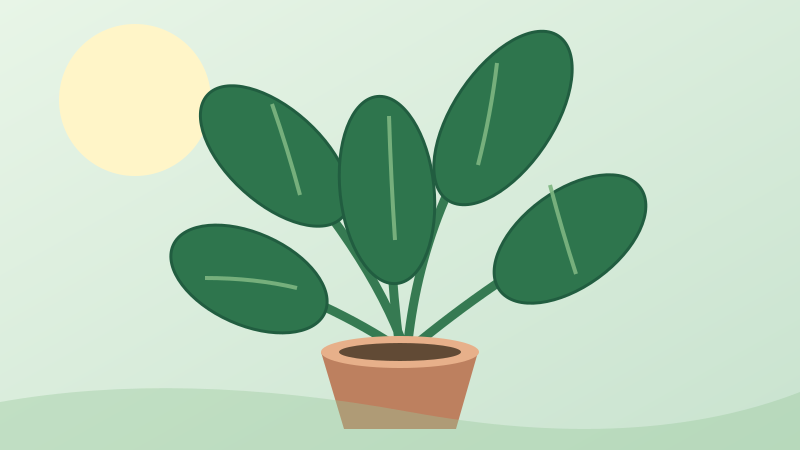
Cast iron plant (Aspidistra elatior) is a good option for people who want broad, deep-green foliage without a demanding care routine. It tolerates lower indoor light and grows slowly, but still needs usable daylight, a pot that drains, and a watering routine based on soil moisture rather than a calendar.
Cast iron plant care card
| Care factor | Practical guidance |
|---|---|
| Light | Low to medium indirect light; avoid strong direct sun that can scorch leaves. |
| Water | Water when the upper part of the mix has dried; let excess water drain. It generally uses less water in dim, cool rooms. |
| Soil | A well-draining indoor potting mix and a pot with drainage holes. |
| Pet toxicity | ASPCA lists Aspidistra elatior as non-toxic to cats and dogs. Ingesting any plant can still cause stomach upset. ASPCA listing |
How much light does it need?
The plant tolerates shade better than many houseplants, making it useful in rooms where direct sun is limited. Shade tolerance does not mean it can photosynthesise in complete darkness. Choose a spot where daylight reaches the leaves for part of the day. A north-facing window may work, but distance from the glass and outdoor obstructions make a big difference.
The plant grows slowly, so give it time before judging the spot. A new leaf appearing as a rolled spear near the soil is a sign of growth. If the plant gradually loses leaves or new growth is weak, review the light and root conditions rather than feeding it heavily.
How do you water a cast iron plant?
Check the soil a few centimetres below the surface. When the upper portion of the mix has dried, water evenly until excess runs from the drainage holes. Empty the saucer or decorative outer pot so the roots are not left standing in water. In low light, soil can stay damp longer than expected.
Avoid both extremes: keeping the pot constantly wet and letting the plant remain bone-dry for a long stretch. The right interval depends on pot size, mix, temperature, humidity, and season. A moisture meter can help compare pots, but learn to check soil texture too.
Soil, repotting, and leaf care
Use a standard indoor potting mix that drains freely without drying instantly. If the mix compacts, drains poorly, or stays wet for many days, repot into a more open mix. Move only one pot size up where practical; a large volume of wet soil around a small root system can slow drying.
Dust broad leaves with a soft, damp cloth. Remove badly damaged foliage with clean scissors near the soil line. Brown tips or spots can follow dry air, irregular watering, mechanical damage, or strong sunlight; check the pattern before assuming disease.
Common problems
Yellow leaves: may be normal for an old leaf, but several yellowing leaves often justify a check of moisture and drainage.
Brown patches: assess whether the plant was recently moved into direct sun or experienced physical damage.
No new leaves: slow growth is normal, especially in lower light or cool conditions. Confirm the plant is stable and not declining before intervening.
Drooping or weak growth: check soil moisture, roots, pot size, and whether the spot is darker than it appears.
Mistakes to avoid
- Treating shade tolerance as a need for darkness.
- Watering by a fixed weekly schedule.
- Keeping water in the saucer.
- Overfeeding a slow-growing plant.
- Moving it suddenly into hot direct sun.
Is cast iron plant pet-safe?
The ASPCA lists Aspidistra elatior as non-toxic to cats and dogs. This makes it a reasonable option to consider for homes with pets, but common names can refer to different plants. Confirm the scientific name on the nursery label. “Non-toxic” also does not mean an animal should eat the foliage; plant material can still cause digestive upset.
FAQs
Can I keep cast iron plant in an office?
Yes, when the office has usable daylight or appropriate supplemental plant lighting and you avoid overwatering.
Does it need frequent repotting?
No. It is slow growing and can remain in the same pot until roots crowd it or the potting mix breaks down.
Should I mist cast iron plant leaves?
Routine misting is usually unnecessary. Wiping dust away is more useful for keeping leaves clean.
Sources
Your room note to add: Photograph the plant and window position, and record how long the top of the mix takes to dry in your room.
Read more explainers in Plant Guides, or learn how this site approaches research and corrections.
More in Plant Guides