The Best Low-Light Houseplants and How to Keep Them Alive
Choose houseplants that tolerate lower indoor light, understand practical light levels, and avoid the watering mistakes that commonly weaken them.
Low-light rooms can support a surprising range of foliage plants, but “low light” does not mean darkness. Choose plants that tolerate shade, place them where daylight reaches them, and water less often than you might in a sunny room. Most problems start with a plant that needs more light or soil that stays wet too long.
What counts as low light indoors?
Low light is best understood as a range, not one universal reading. A north-facing window, a room several feet from a bright window, and an interior office with no daylight can be very different places. Window size, outdoor shade, glass, curtains, season, and distance from the window all affect how much usable light reaches a leaf.
The University of Minnesota Extension’s indoor-lighting guide gives low light as roughly 50–250 foot-candles and describes it as suitable for a north window or a fairly dark corner. Treat any range as a starting point: plant response over several weeks is also important.
| Indoor light level | Rough guide | What it may look like | Typical placement |
|---|---|---|---|
| Low | 50–250 foot-candles | You can read comfortably, but the space does not feel sunny | Near a north window or a shaded area with daylight |
| Medium | 250–1,000 foot-candles | Clear, bright room light without strong direct sun on the leaves | Near an east window or back from a brighter window |
| High | Above about 1,000 foot-candles | Bright light, often with direct sun patches | Near a bright south- or west-facing window, adjusted for heat and sun |
These are rough indoor gardening categories, not strict thresholds for every species. Measurements change with time of day and weather. A phone app may help compare two spots, but its sensor and calibration may not be accurate enough to treat the displayed number as laboratory-grade data.
Which low-light plants are good starting points?
Pothos
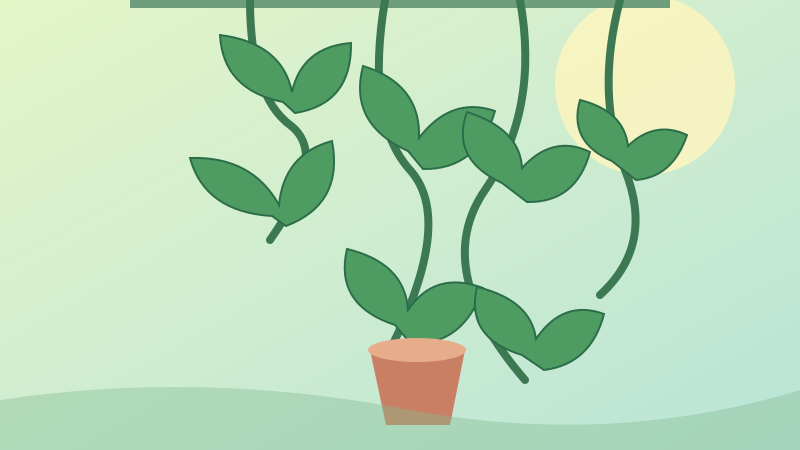
Pothos is a forgiving trailing plant for shelves and hanging planters. It tolerates lower light, although variegated varieties may lose some contrast and growth can become sparse in a very dim corner. Let the upper part of the potting mix dry before watering.
Read the pothos care guide for watering, pruning, and placement. Pothos is toxic to cats and dogs if chewed, so keep it out of reach or choose a verified pet-safer species.
Snake plant
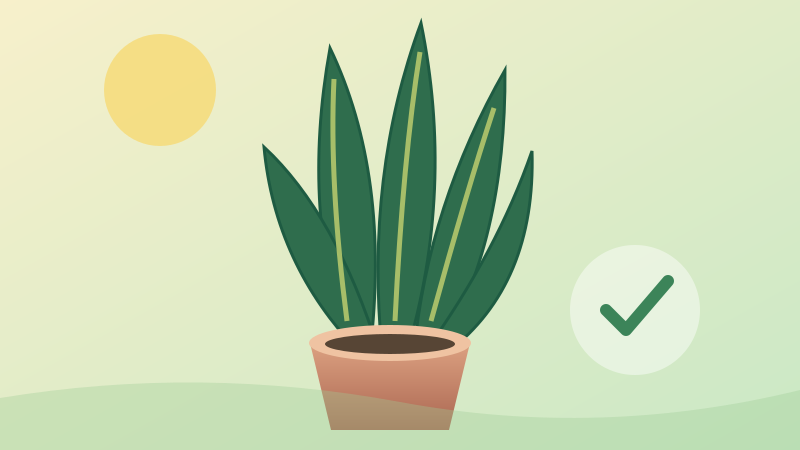
Snake plants store water in thick leaves and rhizomes, so they generally cope with missed watering better than constantly wet soil. They tolerate lower light but will grow slowly there. A pot with drainage and a mix that does not stay soggy are more important than frequent feeding.
See the snake plant care guide. Snake plants are toxic to cats and dogs according to the ASPCA plant listing.
ZZ plant
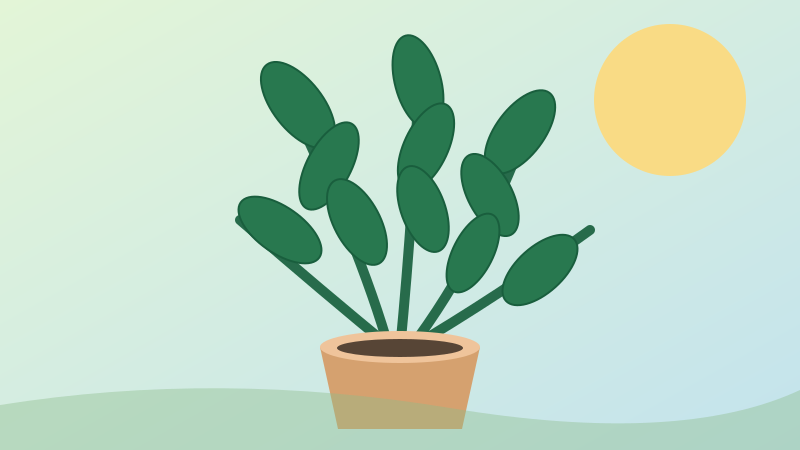
The ZZ plant has glossy leaflets and thick underground rhizomes that store water. It suits people who want a slow-growing foliage plant and do not want to water frequently. Let the potting mix dry substantially between waterings and avoid a heavy, waterlogged mix.
Visit the ZZ plant care guide. ASPCA lists ZZ plants among houseplants that can cause mouth and digestive irritation when chewed, so they are not a pet-safe pick.
Cast iron plant
Cast iron plant has broad, dark green leaves and tolerates less-than-ideal indoor conditions better than many decorative plants. It still needs some daylight, a draining pot, and time to dry partly between waterings. Its slow growth is normal, not proof that it needs fertilizer every week.
Its care profile and pet notes are covered in the cast iron plant guide. ASPCA lists Aspidistra elatior as non-toxic to cats and dogs, but swallowing any plant material can still upset an animal’s stomach.
Peace lily, heartleaf philodendron, Chinese evergreen, and parlor palm
Peace lilies may show a dramatic droop when thirsty, but they should not be kept permanently wet; they prefer evenly moist, aerated soil and indirect light. Heartleaf philodendron trails well from a shelf and tolerates medium-to-low light, though light-starved growth becomes leggy. Chinese evergreen is valued for patterned leaves and does best in warm conditions away from cold drafts. Parlor palm adds a soft, upright shape, but it is slower growing than many people expect.
Read the dedicated guides for peace lily, heartleaf philodendron, Chinese evergreen, and parlor palm. Peace lily, heartleaf philodendron, and Chinese evergreen are listed by the ASPCA as toxic to cats and dogs; parlor palm is listed as non-toxic to cats and dogs. Verify the botanical identity before relying on a common name.
How should you choose a plant for your room?
- Check the light first. Observe the space in the morning, midday, and afternoon. Note whether daylight reaches the plant’s leaves and whether direct sun crosses the spot.
- Match the plant to the room, not your wish list. Choose a shade-tolerant foliage plant for lower light. If a room has no natural daylight, plan for a suitable grow light rather than assuming a plant can photosynthesise in darkness.
- Check the pot and soil. Drainage holes and an airy potting mix reduce the risk of waterlogged roots. Decorative cachepots should not hold standing water.
- Adapt watering to the actual drying rate. Low light usually means slower growth and slower water use. Test the soil instead of following a fixed weekly calendar.
- Watch the plant over several weeks. New growth, stem spacing, leaf colour, and the rate at which soil dries help you judge whether the position works.
Why do low-light plants get yellow leaves?
Yellowing is a symptom, not a diagnosis. A lower leaf that ages gradually may be normal. Several yellow leaves together, soft stems, sour-smelling soil, or a pot that stays heavy for days point more toward excess water or root trouble. Long internodes, smaller new leaves, and leaning stems may indicate insufficient light.
Use our yellow-leaf troubleshooting guide before changing several things at once. Check drainage and soil moisture first, then adjust light gradually. Sudden moves into strong direct sunlight can scorch leaves.
How can you tell if you are overwatering?
Overwatering is about roots remaining too wet for too long, not simply the amount poured in one day. A plant in a large pot, dense soil, or a dim room may use water slowly. Let the soil and pot weight guide the next watering. Compare overwatering vs. underwatering signs before deciding that a drooping plant needs another drink.
Are low-light houseplants safe around pets?
Some common low-light houseplants are toxic if cats or dogs chew them. ASPCA identifies pothos, snake plant, peace lily, heartleaf philodendron, Chinese evergreen, and ZZ plant as toxic to cats and/or dogs. Cast iron plant and parlor palm are listed as non-toxic to cats and dogs. Plant labels and common names can be inconsistent, so check the exact species in the ASPCA toxic and non-toxic plant database.
“Non-toxic” does not mean a plant is food. Any plant material may cause stomach upset, and a different plant can be mistaken for the intended species. Keep plants out of reach where possible. If a pet chews a plant and develops symptoms, call a veterinarian or ASPCA Animal Poison Control; breathing or swallowing difficulty requires urgent veterinary care.
Mistakes to avoid
- Treating low light as no light. Interior rooms without daylight usually need a grow light.
- Watering on the same day every week regardless of soil moisture.
- Moving a shade-tolerant plant straight into intense afternoon sun.
- Choosing a plant before checking pet toxicity and the botanical name.
- Using a phone app reading as an exact measurement without comparing spots or watching plant response.
- Repotting, fertilising, and moving a sick plant all at once, making it difficult to identify the cause.
Frequently asked questions
Can plants survive in a room with no windows?
Not indefinitely on ordinary room lighting alone in most cases. A suitable grow light on a timer can provide usable light; otherwise, rotate plants through a brighter recovery spot.
Is a north-facing window always low light?
No. Window size, nearby buildings, season, latitude, and distance change the amount of light. Check the actual plant position.
Should I mist low-light houseplants?
Routine misting rarely fixes low light or dry soil and can leave foliage wet without raising room humidity for long. Focus on correct watering, airflow, and appropriate placement.
Do low-light plants need less fertiliser?
They often grow more slowly and may use nutrients more slowly. Follow a conservative product label and avoid fertilising a stressed or waterlogged plant.
What if my plant is leaning toward the window?
It may be reaching for more light. Rotate the pot periodically and consider moving it closer to daylight if the species tolerates that spot.
Related low-light guides
Use these companion guides for the specific plant or problem you are working on:
- Pothos care guide
- Snake plant care guide
- ZZ plant care guide
- Cast iron plant care
- Peace lily care
- Heartleaf philodendron care
- Chinese evergreen care
- Parlor palm care
- Measure indoor light with a phone app
- North-facing vs east-facing windows
- Grow lights for low-light rooms
- Yellow leaves: causes and fixes
- Overwatering vs underwatering
- Pet-safe low-light plants
- Plants for windowless offices and bathrooms
Sources and further reading
- University of Minnesota Extension: Lighting for indoor plants
- ASPCA: Toxic and non-toxic plants database
Room check to add before publishing: Photograph the intended plant spot in morning, midday, and afternoon light, note the window direction and approximate distance, and include your own observations here. Do not claim a tested reading unless you recorded it.
Read more explainers in Plant Guides, or learn how this site approaches research and corrections.
More in Plant Guides