Parlor Palm Care: A Soft, Pet-Friendlier Low-Light Plant
A parlor palm care guide covering indoor light, watering, soil, slow growth, and ASPCA-listed pet safety.
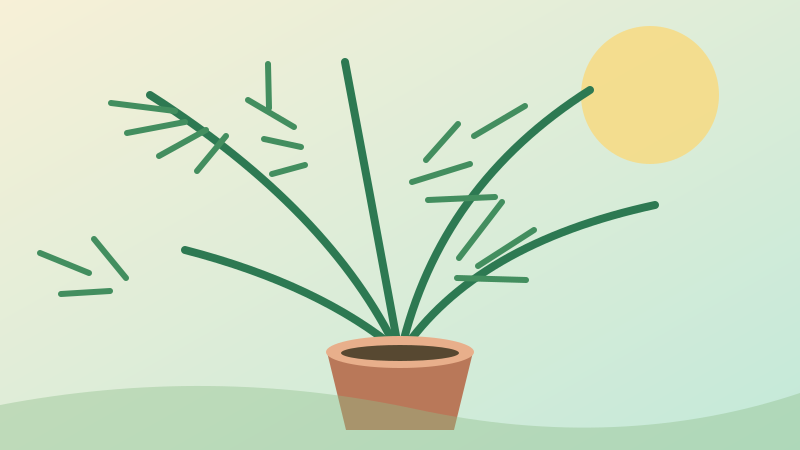
Parlor palm (Chamaedorea elegans) has fine, arching fronds and tolerates lower indirect light better than many palms. It grows slowly indoors and prefers a potting mix that stays lightly moist but drains well. Give it usable daylight, avoid harsh direct sun, and let the upper soil layer guide watering.
Parlor palm care card
| Care factor | Practical guidance |
|---|---|
| Light | Low to medium indirect light; it tolerates shade but grows slowly in dim locations. Avoid strong direct sun. |
| Water | Water when the top layer of mix begins to dry, then let excess drain. Do not leave roots sitting in water. |
| Soil | Well-draining indoor potting mix that does not compact; pot with drainage holes. |
| Pet toxicity | ASPCA lists Chamaedorea elegans as non-toxic to cats and dogs. ASPCA Parlor Palm entry. |
Where should you place a parlor palm?
A north-facing window or a shaded spot near a bright room can work if daylight reaches the fronds. Low light means slower growth, not a lack of energy requirement. If the plant produces very little new growth and gradually weakens, assess the light level and roots before adding fertiliser. In a windowless office, use supplemental grow lighting or rotate the plant to a brighter recovery area.
Keep it away from harsh direct sun, which can cause bleached or brown patches. Protect it from cold drafts and abrupt temperature changes. Fronds can be damaged by rubbing against a wall or by repeated handling, so leave enough room for them to arch naturally.
How do you water it?
Check the surface and a little below it with a finger or clean wooden skewer. When the upper layer begins to dry, water thoroughly until the pot drains. Empty water from the saucer. Do not allow the root ball to remain saturated for days, but do not repeatedly let it become extremely dry either.
The drying rate varies with pot size, soil composition, temperature, humidity, and light. A plastic pot in a cool dim room may stay wet longer than a small terracotta pot near a bright window. If several fronds yellow together, inspect soil moisture and roots instead of automatically adding water.
Soil and grooming
Choose an airy indoor potting mix that allows water to pass through while retaining some moisture. Repot when the roots crowd the container or the mix loses its structure. Increase pot size modestly; a pot that is much too large can contain more wet soil than the roots can use.
Trim fully brown fronds with clean scissors near their base. If only the tips are brown, consider trimming the dry ends while leaving green tissue. Check for low humidity, irregular watering, salt buildup, or physical damage. Wipe dusty fronds gently, supporting them as you work.
Why is the palm not growing?
Parlor palms are slow growers, especially in lower light. They may produce only a modest amount of new foliage in a season. Confirm the plant has some usable light, that temperatures are stable, and that soil moisture is appropriate. Overfertilising to force growth can cause salt accumulation and root stress.
Mistakes to avoid
- Expecting rapid growth in a dim room.
- Keeping the soil soaked or the saucer full.
- Moving the palm suddenly into direct sun.
- Cutting partly green fronds unnecessarily.
- Assuming pet-friendly means suitable for chewing.
Is parlor palm safe for cats and dogs?
The ASPCA lists parlor palm as non-toxic to cats and dogs, which makes it a practical option to consider in pet households. Confirm the scientific name Chamaedorea elegans on the plant label; other plants sold under vague common names may differ. Even non-toxic plants are not pet food, and eating foliage can still cause stomach upset.
FAQs
Can a parlor palm grow in a north-facing room?
Often yes, if it receives usable indirect daylight. The exact brightness depends on the window and surrounding buildings.
Can I mist a parlor palm?
You can wipe its fronds clean, but routine misting is not required and does not fix inadequate light or poor watering.
Why are tips turning brown?
Check for inconsistent soil moisture, dry air, mineral buildup, or damaged roots.
How often should I repot it?
Only when roots crowd the pot or the potting mix has broken down. Slow growth means frequent repotting is usually unnecessary.
Sources
Add your own room note: Photograph the palm in place and record the pot size, window direction, and soil condition the next time you water.
Read more explainers in Plant Guides, or learn how this site approaches research and corrections.
More in Plant Guides