Chinese Evergreen Care: Light, Water, and Leaf Patterns
Learn how to keep Chinese evergreen healthy indoors, including low-light placement, moisture, drainage, and pet toxicity.
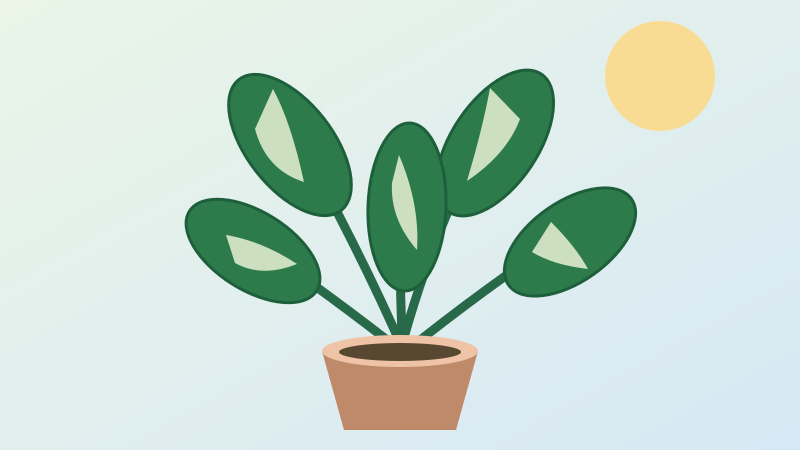
Chinese evergreen (Aglaonema species) is grown for patterned foliage and its tolerance of typical indoor conditions. Many varieties cope with lower indirect light, although heavily patterned cultivars may need brighter indirect light to maintain colour and steady growth. Keep it warm, avoid waterlogged soil, and check the plant’s actual moisture needs.
Chinese evergreen care card
| Care factor | Practical guidance |
|---|---|
| Light | Low to medium indirect light; patterned or colourful varieties often retain their markings better in brighter indirect light. Avoid harsh direct sun. |
| Water | Water when the upper layer of mix has dried; allow excess water to drain and never leave the pot standing in water. |
| Soil | Airy, well-draining indoor potting mix in a pot with drainage holes. |
| Pet toxicity | Toxic to cats and dogs. ASPCA lists insoluble calcium oxalates. ASPCA Chinese Evergreen entry. |
What light does Chinese evergreen need?
The right placement depends on the cultivar. Dark-green varieties often cope better with lower light than varieties with silver, pink, or pale patterning. Start with indirect daylight and watch the new growth. A north-facing window or a position back from a brighter window can work, but rooms blocked by nearby buildings may be much darker than expected.
Keep the plant away from intense afternoon sun, which can scorch leaves. Avoid sudden cold drafts and abrupt changes in temperature. If you notice stretched growth or fading patterns, compare the plant with a brighter indirect spot before increasing fertiliser.
How often should you water Chinese evergreen?
Use soil moisture, not a weekly rule. Check the upper few centimetres of the mix. When that layer dries, water thoroughly and allow the pot to drain. In low light or cooler weather, the mix can stay wet for longer, so the gap between watering may increase.
Several yellow leaves, limp stems, or a pot that remains heavy can indicate overwatering or root stress. A dry, shrunken root ball can cause similar-looking decline. Check moisture and drainage first. If the mix is stale or compacted and remains wet for a long time, repot into a suitable airy mix.
Soil, cleaning, and repotting
Choose a pot with drainage holes and a potting mix that holds some moisture without becoming dense. A pot only slightly larger than the root ball is generally more manageable than a very large container. Repot when roots crowd the pot, the mix breaks down, or watering becomes difficult to manage.
Dust the leaves with a soft damp cloth. Avoid household leaf shine products that can leave residue. Trim damaged leaves with clean scissors, but examine the rest of the plant for pests, wet soil, sun damage, or cold exposure if damage is widespread.
Common problems
Brown or bleached patches: often follow strong direct sun, cold exposure, or physical damage.
Yellow leaves: check for overly wet soil, poor drainage, or natural ageing of the oldest leaf.
Faded leaf markings: may reflect the variety’s normal colouring or a light level that is too low for that cultivar.
No new leaves: growth slows in low light and cooler seasons; do not try to force it with heavy feeding.
Mistakes to avoid
- Assuming every variety has the same light tolerance.
- Leaving water in a decorative cachepot.
- Placing the plant in a cold draft.
- Feeding frequently when growth is slow.
- Assuming the plant is pet-safe because it is a common office plant.
Is Chinese evergreen safe for pets?
No. The ASPCA lists Chinese evergreen (Aglaonema modestum) as toxic to cats and dogs. It contains insoluble calcium oxalates that can cause oral irritation, swelling, drooling, vomiting, and difficulty swallowing. Keep it out of reach, and check the scientific name because common names can be used loosely in shops. If a pet chews the plant, contact your veterinarian; breathing or swallowing difficulty needs urgent care.
FAQs
Can Chinese evergreen live in low light?
It tolerates low indirect light, but a plant still needs usable light to grow. Colourful varieties may need more than dark-green ones.
Should I mist its leaves?
Routine misting is not essential. Clean dusty leaves and keep watering appropriate to the pot and room.
Why are the leaf edges brown?
Review watering consistency, drainage, salt buildup, sun exposure, and drafts before treating the plant.
Is it a good windowless-office plant?
Only with a suitable grow light or periodic placement in adequate daylight.
Sources
Add actual observations before publishing: Include a photo of your cultivar and note its window direction, distance, and any changes you saw after moving it.
Read more explainers in Plant Guides, or learn how this site approaches research and corrections.
More in Plant Guides