North-Facing vs East-Facing Windows: Which Plants Fit Best?
Compare north- and east-facing windows, understand why brightness varies by home, and place low-light houseplants more confidently.
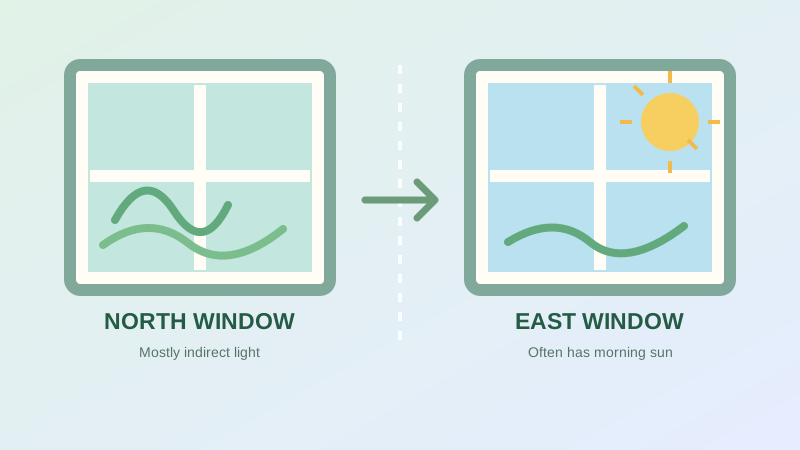
A north-facing window often provides gentler, indirect light, while an east-facing window commonly receives direct morning sun. Either can suit houseplants, but the best position depends on the window size, outdoor obstructions, latitude, season, curtains, and distance from the glass. Choose based on the light that reaches the leaves, not window direction alone.
What does a north-facing window provide?
In many homes in the Northern Hemisphere, north-facing windows receive little or no direct sunlight for much of the day. They may offer steady indirect light that suits shade-tolerant foliage plants. A wide unobstructed window can still be bright, while a small window shaded by another building may be quite dim.
Pothos, snake plant, ZZ plant, cast iron plant, and Chinese evergreen are often considered for lower-light locations. Their growth may be slower than it would be in brighter indirect light. A “low-light plant” still needs usable light to photosynthesise.
What changes at an east-facing window?
East-facing windows often receive direct sun in the morning and brighter indirect light later. Gentle morning sun may benefit a wider range of houseplants, though direct exposure can still scorch leaves if the plant was grown in shade or the sun is intense. Curtains, balconies, glass coatings, and nearby buildings change the actual conditions.
If you move a plant from a deep corner to an east window, start a little farther from the glass and adjust after observing new growth. Do not assume that every east-facing spot is the same.
Compare window options
| Feature | North-facing window | East-facing window |
|---|---|---|
| Common light pattern in the Northern Hemisphere | Mostly indirect, often lower and steadier | Morning sun followed by indirect light |
| Potential advantage | Useful for plants that dislike direct sun | Brighter mornings can support more active growth |
| Main caution | May be too dim if small or obstructed | Direct morning sun may be stronger in summer or through unobstructed glass |
| Plants to consider | Cast iron plant, darker-leaf Chinese evergreen, pothos, snake plant | Pothos, heartleaf philodendron, peace lily placed away from harsh rays, parlor palm |
| Best next step | Compare the spot to a brighter location or measure light roughly | Watch for sun patches, pale marks, and hotter leaves |
This is a starting comparison, not a species-by-species guarantee. Check the plant’s care needs and the actual leaf-level conditions.
How far from the window should the plant sit?
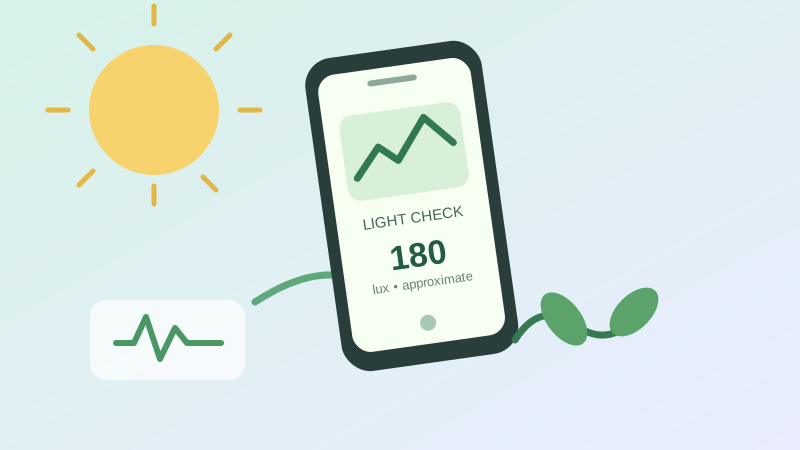
Distance matters. A plant on a windowsill may receive much more light than the same plant on a bookshelf several feet into the room. Sheer curtains, dirty glass, trees, and neighbouring buildings reduce light. Measure at the intended plant position using the same method at several times of day. Our phone-app light measuring guide explains the limitations of those readings.
Do not ignore temperature. Glass can be cold in winter and hot under direct summer sun; leaves pressed against glass may experience conditions that differ from the rest of the room.
A simple placement test
- Choose two likely spots with different brightness.
- Observe them at morning, midday, and afternoon.
- Note direct sun duration, window direction, curtains, and obstructions.
- Put the plant in the safer spot first and observe new growth for several weeks.
- Move it gradually if it shows stretched growth and the alternative spot is brighter without harsh heat.
Common mistakes
- Believing that all north windows are dark or all east windows are mild.
- Measuring brightness at the glass but placing the plant deep in the room.
- Moving a plant abruptly from low light into direct sun.
- Forgetting that winter and summer light differ.
- Watering more often after moving a plant without checking how quickly the soil dries.
FAQs
Are north-facing windows always low light?
No. Window size, surroundings, season, and latitude can produce very different readings.
Are east windows good for every tropical plant?
No. Many tolerate them, but plants grown in deep shade should be acclimated gradually, and direct sun can still be too strong.
Can I put a ZZ plant near an east window?
Often yes, if it is protected from intense direct sun and the soil dries appropriately.
What should I do if neither window gets much light?
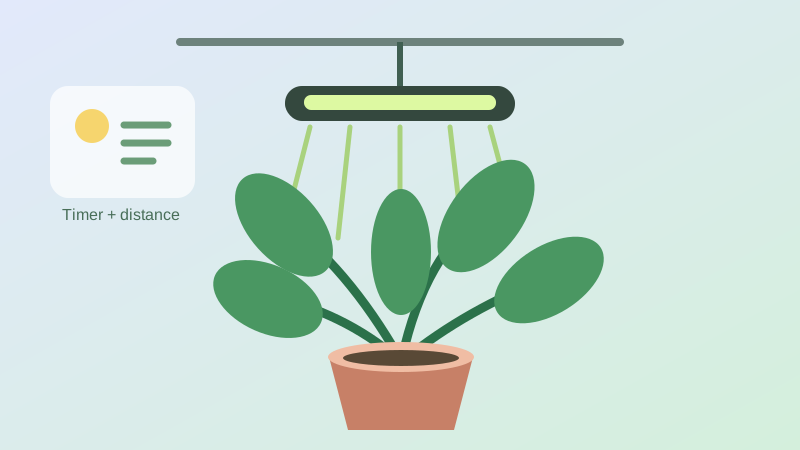
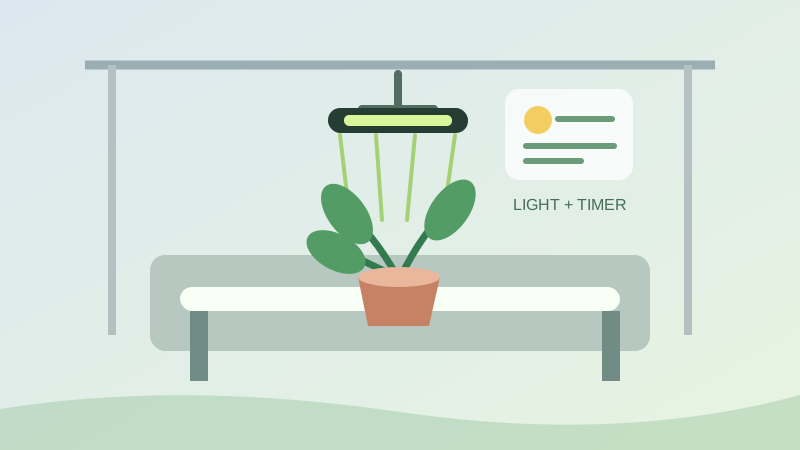
Use a suitable grow light or pick plants that fit the available conditions; no houseplant can grow indefinitely without usable light.
Sources
Add your room comparison: Include photos at three times of day and note the window direction, plant distance, and any direct sun patches you actually observe.
Read more explainers in Light and Placement, or learn how this site approaches research and corrections.
More in Light and Placement