ZZ Plant Care: Light, Water, Soil, and Slow Growth
A straightforward ZZ plant care guide for lower-light homes and offices, including watering checks, drainage, and pet toxicity.
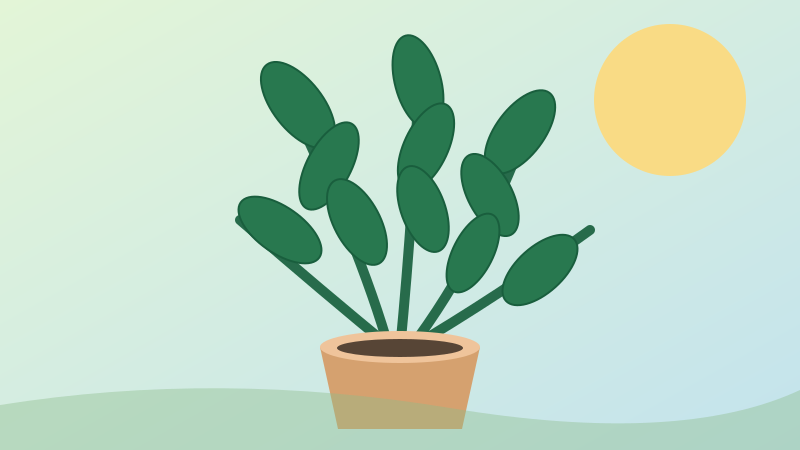
The ZZ plant (Zamioculcas zamiifolia) is popular for its glossy leaflets, upright form, and ability to cope with lower indoor light. Its thick rhizomes store water, so it usually needs less frequent watering than leafy tropical plants. Give it some usable light, a draining potting mix, and time to dry between waterings.
ZZ plant care card
| Care factor | Practical guidance |
|---|---|
| Light | Low to bright indirect light. Growth will be slow in dim spaces; avoid abrupt exposure to strong direct sun. |
| Water | Let the mix dry through much of the pot before watering. Reduce frequency in cooler or darker locations. |
| Soil | Airy, free-draining indoor potting mix; use a pot with drainage holes. |
| Pet toxicity | Not pet-safe: ASPCA identifies ZZ plants among common plants that can irritate pets if chewed. Check the ASPCA plant database. |
Does a ZZ plant really grow in low light?
It tolerates lower light better than many decorative foliage plants, but light still supplies the energy for growth. In a dim office it may keep its existing leaves for a long time and produce new shoots infrequently. This is a slow-growing plant; a quiet month does not automatically mean something is wrong.
Choose a place where you can comfortably read in daylight. A north-facing window or a position near a bright room’s interior may work, depending on window size and obstacles. If the room has no windows, use a suitable grow light rather than relying on ceiling lights alone. The low-light houseplant overview explains practical light categories.
How should you water a ZZ plant?
Check the potting mix instead of following a fixed weekly routine. Insert a finger or wooden skewer several centimetres into the soil; with larger pots, check farther down as well. If the mix is still damp, wait. When most of the pot has dried, water thoroughly and allow all excess to drain.
The rhizomes store water, which helps the plant survive a missed watering. The same feature makes constant dampness dangerous: roots and rhizomes can rot if the pot stays wet. Yellowing leaves, soft stems near the soil, and a persistently heavy pot are reasons to inspect moisture and roots before adding water.
What soil is best?
Use an airy mix that allows excess water to escape and oxygen to reach roots. If the existing mix stays saturated for many days, consider repotting into a better-draining mix and a container with holes. Do not put a layer of gravel at the bottom and assume it solves drainage; the mix and the pot’s actual drainage are what matter.
A tight pot is usually acceptable while the plant is healthy. Repot when rhizomes crowd the container, the pot is deforming, or water management becomes difficult. Moving to a much larger pot increases the volume of soil that can remain wet.
How to clean and maintain the leaves
Dust can build up on the glossy leaflets. Wipe gently with a damp soft cloth and support the leaf as you clean it. Avoid polishing products that leave residue. Remove yellow or damaged stems using clean pruners at the base, but first look for a pattern: several yellow stems together may signal a root or watering problem.
Fertiliser is optional at modest levels. If you use one, follow the label and apply during active growth rather than trying to force a plant in low light to grow faster. Overfeeding can build up salts and harm roots.
Common ZZ plant problems
- Yellow leaves: investigate wet soil, poor drainage, temperature stress, or normal older-leaf ageing.
- Soft or collapsing stems: inspect the rhizome and root zone for rot; firm up watering and improve drainage.
- No new growth: often normal in lower light and cool seasons. Check the location before adding fertiliser.
- Brown patches: may be physical damage or sun scorch after a sudden move into direct light.
- Leaning stems: rotate the pot and check whether the plant is stretching toward the strongest light.
Mistakes to avoid
- Watering because the surface looks dry while the lower pot remains damp.
- Keeping the plant in a decorative pot filled with standing water.
- Repotting into a very large container.
- Expecting fast growth in a dim room.
- Allowing cats or dogs to chew the leaves or stems.
Is a ZZ plant safe around cats or dogs?
Do not treat a ZZ plant as pet-safe. ASPCA’s recent houseplant-safety guidance includes ZZ plants among common plants with insoluble calcium oxalates, which can cause mouth irritation, drooling, vomiting, or swallowing difficulty when chewed. Check the exact scientific name in the ASPCA toxic and non-toxic plants database. If ingestion occurs, call a veterinarian or poison-control service; breathing or swallowing difficulty is urgent.
FAQs
Can a ZZ plant survive a windowless room?
It needs usable plant light. In a genuinely windowless room, provide a suitable grow light on a timer or periodically move the plant to a brighter place.
How often should I fertilise?
Sparingly, if at all. Match feeding to active growth and the product label; more fertiliser cannot compensate for too little light.
Why is my ZZ plant wrinkled?
Check whether the potting mix is dry, but also examine roots if the soil has been wet and the plant still looks dehydrated.
Are black spots always rot?
No. Look at whether tissue is soft and spreading, review watering and light changes, and inspect the plant closely before deciding.
Sources
- ASPCA: Houseplants that can cause trouble for pets
- University of Minnesota Extension: Lighting for indoor plants
Add your own room note: Photograph the plant beside its window or grow light and record the date and soil condition before watering.
Read more explainers in Plant Guides, or learn how this site approaches research and corrections.
More in Plant Guides